
Rising Expectations, Not Fewer Hours
We were told AI would save us time. Early 2026 headlines suggest the opposite: AI isn’t lightening workloads—it’s intensifying them.
Methods
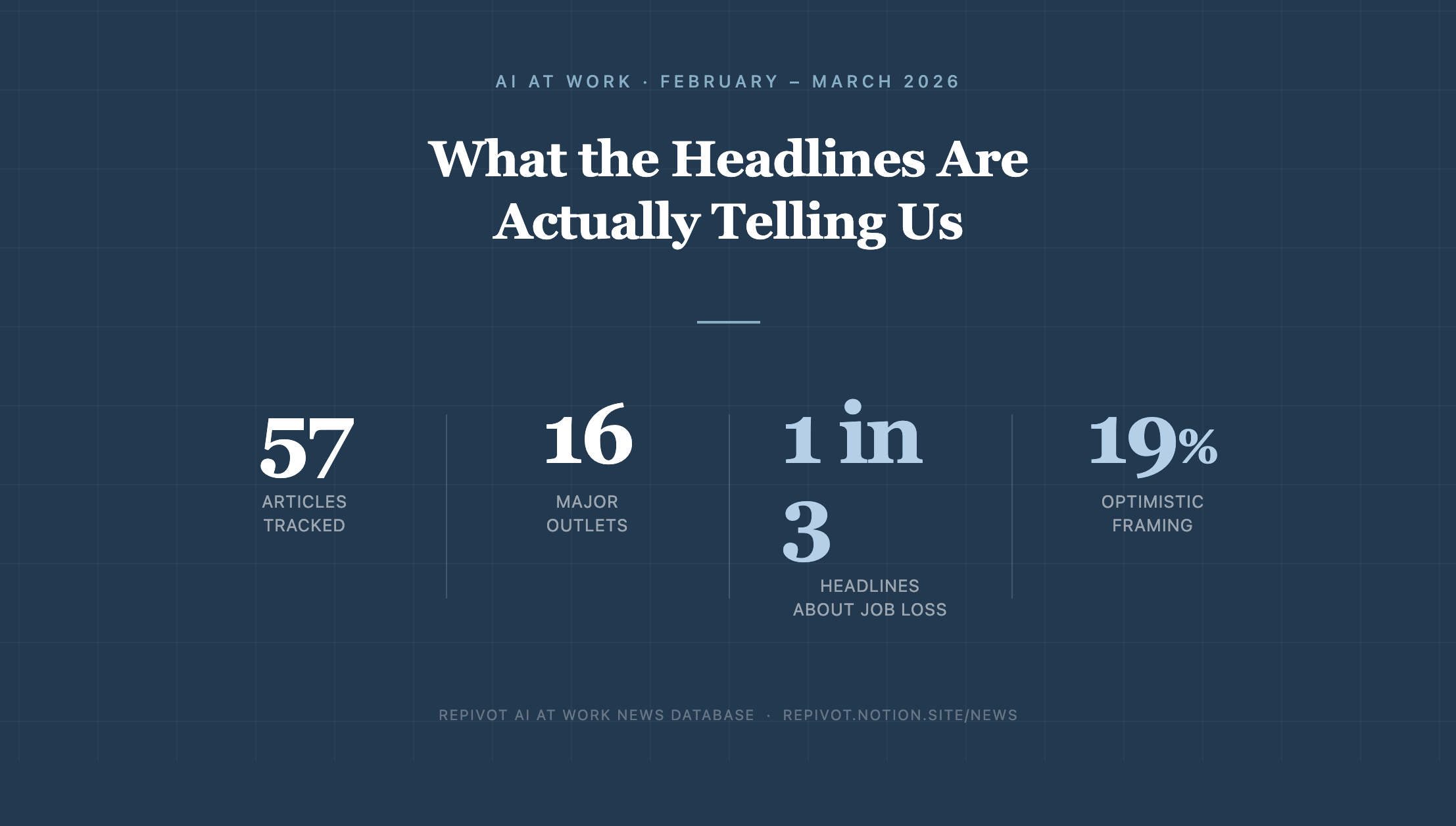
Methods: 57 headlines from major outlets (WSJ, NYT, Guardian, HBR, Reuters, Atlantic, Pew, Gallup, etc.), published Jan–Mar 2026 that I have selected as interesting AI at Work articles.
Key findings
What’s in the data:
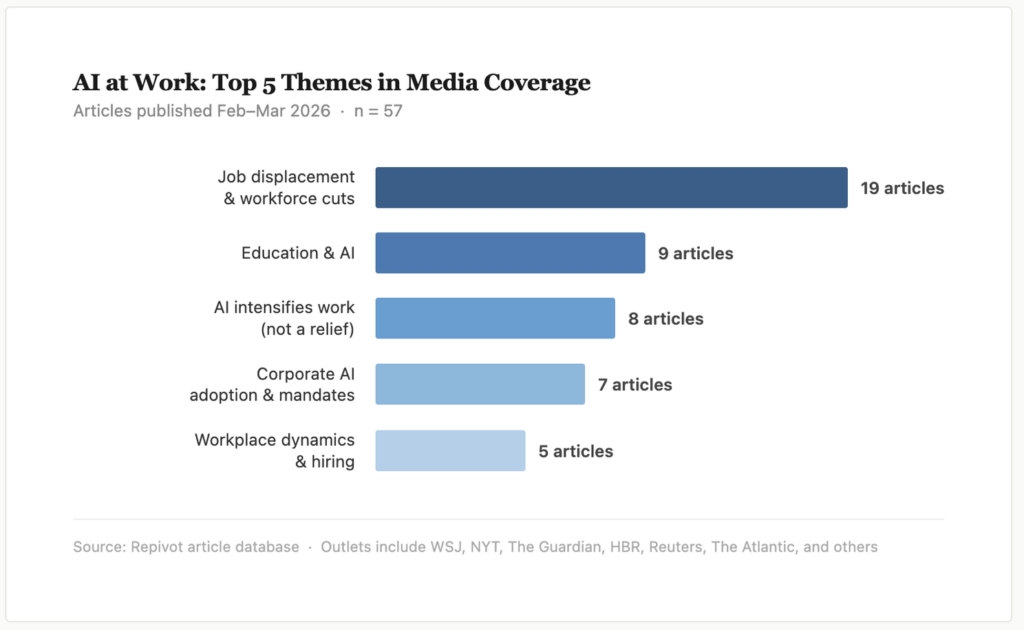
- Job displacement dominates at ≈33% of coverage.
- Education is second: 9/57 (≈16%) headlines on curricula, classrooms, and policy shifts.
- Workload intensification is close behind: 8/57 (≈14%)—a consistent cross‑outlet theme.
Examples and implications for organizations
Representative examples: HBR (“AI Doesn’t Reduce Work—It Intensifies It”), WSJ (“AI Isn’t Lightening Workloads. It’s Making Them More Intense.”), and Guardian reporting on Amazon’s pace of work.
Displacement’s prominence isn’t a surprise. From Block’s cuts to “Bracing for the A.I. Economy to Come,” the threat narrative is loud and persistent.
But what follows matters across organizations of all kinds: education is being reshaped in real time (law schools, NYC classrooms, DoL), and workloads are being raised, not eased.
Why workloads are rising
Throughline: AI raises the ceiling of expected output rather than reducing hours. Time “saved” is being backfilled with more tasks, reviews, and iterations.
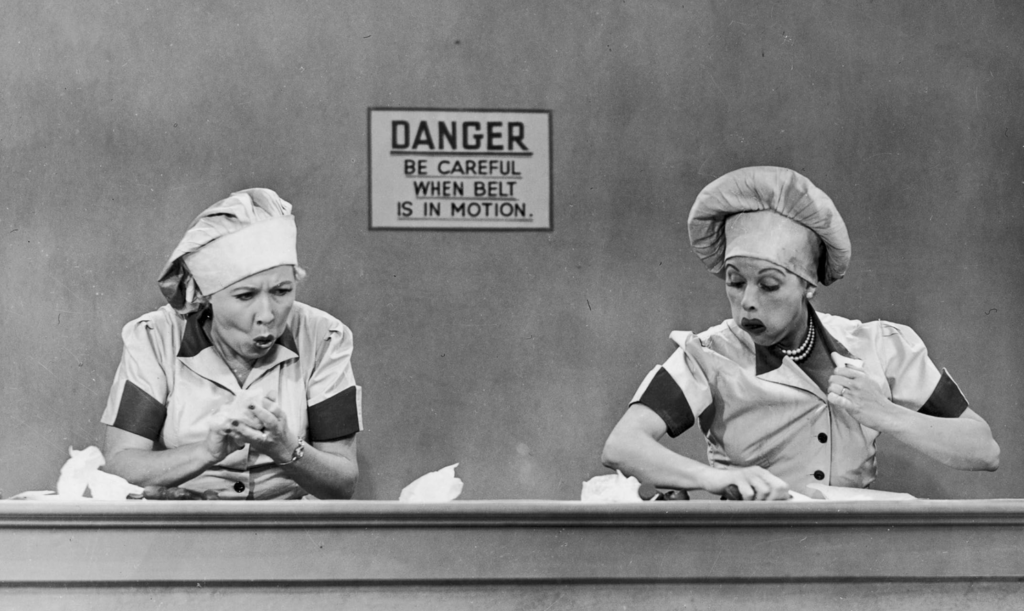
For mission‑driven orgs already stretched thin: if AI adoption is creating more work, not less, that’s not your team’s failure—it’s a documented, cross‑industry pattern. Maybe you saw yesterday’s WSJ headline, “How working in America became so joyless.“
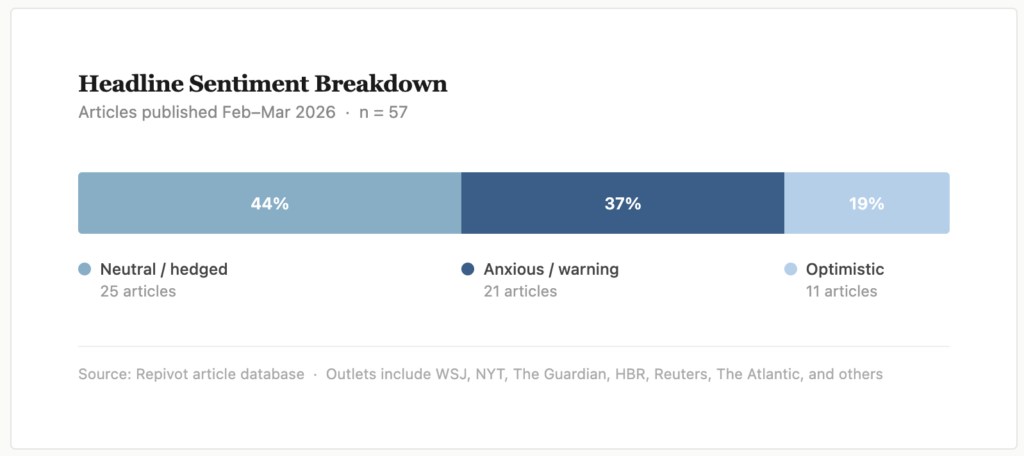
Sentiment snapshot
Noise and overwhelm
There’s a lot of noise right now, and it’s easy to get swept up in panic. Multiple things are true at once—displacement risk, education reform, and workload creep—and clearly, we’re in a transition. The goal isn’t to remove risk; it’s to slow the reaction cycle so we make better choices.
We’re going to be swimming in these types of headlines for quite some time. It’s best to have a strategy to maintain perspective.
What to do now
Use the intensification finding as a signal, not a verdict. If teams feel more overwhelmed since AI arrived, start to explore how to redesign (even the smallest) workflows before adding more tools. Three moves to consider as part of your effective leadership strategies:
- Pause to map work: a two‑week “AI sprint freeze” to document tasks, handoffs, and rework before layering in automations.
- Redesign for fewer loops: cap specific, repeated work cycles, define “good enough,” and standardize prompts/templates to cut retries.
- Measure what matters: track meeting load, tool‑switches, and cycle time; retire automations that don’t reduce net hours.
Two things can be true: the concern is real, and the story isn’t finished. A longer view helps us separate signal from noise and design for the future we want to create.
Keep tracking
Join me in tracking. See the rolling 4‑week “AI at Work” headlines (free).